Ngorongoro Crater: Africa's Garden of Eden
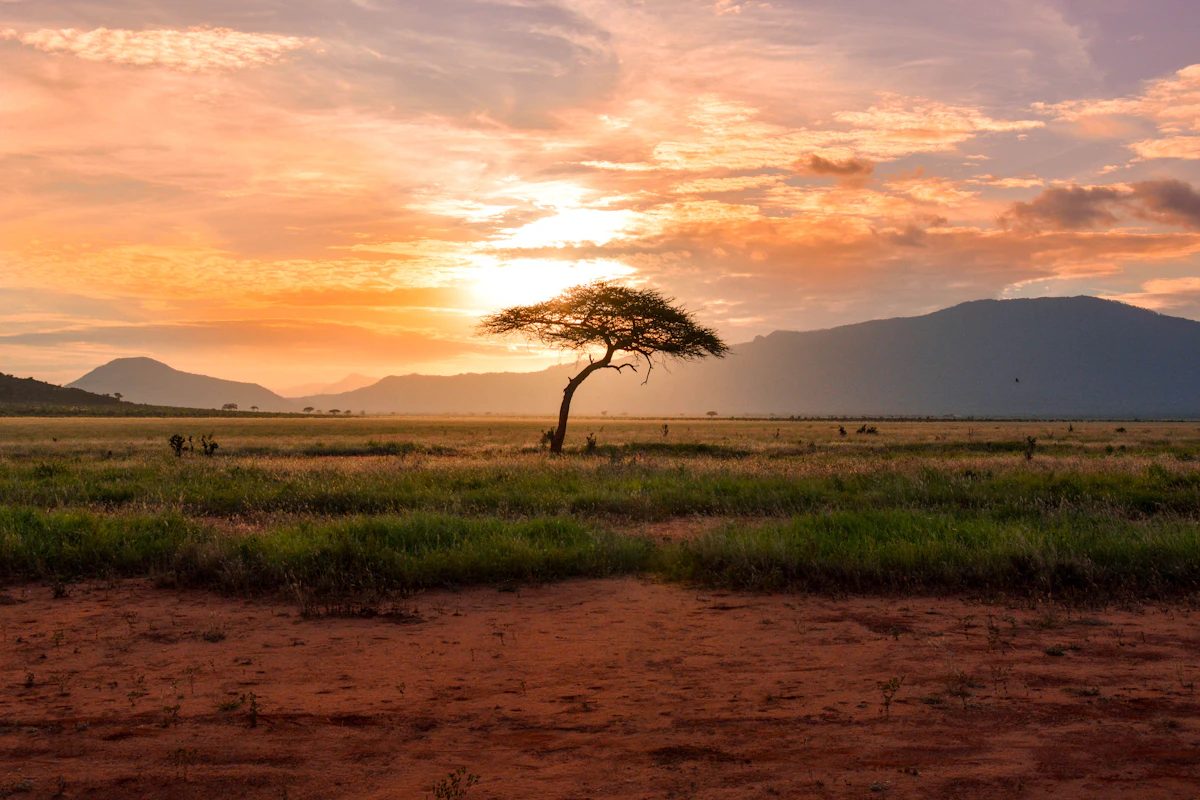
Step into the world's largest intact volcanic caldera — a UNESCO World Heritage Site where the Big Five roam freely year-round, ancient Maasai traditions endure, and the origins of humanity itself were uncovered.
History and UNESCO World Heritage Status
The Ngorongoro Conservation Area (NCA) sits in the highlands of northern Tanzania, covering 8,292 square kilometres of breathtaking terrain. At its heart lies the Ngorongoro Crater — the world's largest intact and unflooded volcanic caldera, formed approximately 2.5 million years ago when a colossal volcano collapsed inward on itself after a massive eruption.
Long inhabited by the Maasai people, who were permitted to remain after the conservation area was gazetted in 1959, Ngorongoro represents a unique model of multi-use land management where human communities and wildlife coexist. In 1979, UNESCO designated Ngorongoro a Natural World Heritage Site. In 2010, it received further inscription as a Cultural Heritage Site — one of only a handful of places in the world to hold this extraordinary dual distinction.
The Crater: A World Within a World
The Ngorongoro Crater is approximately 19 kilometres in diameter and 600 metres deep, with a floor area of 264 square kilometres. It forms a near-perfect natural enclosure that supports one of Africa's highest densities of wildlife — an estimated 25,000 large animals live within the crater year-round, never needing to leave.
Unlike other safari destinations where animals migrate seasonally, the crater's geography creates a self-contained ecosystem. Perennial water sources, a remarkable diversity of habitats — open grassland, swamp, soda lake, and montane forest — and the natural boundary of the caldera walls mean that most animals have no reason to migrate, making every game drive a near-guaranteed encounter with Africa's most iconic species.
Descending into the crater at dawn, with mist curling off the floor and the walls rising around you like the rim of an ancient world, is one of the most magical experiences Africa has to offer.
Wildlife: Africa's Most Reliable Big Five Viewing
The crater floor offers some of the most dependable Big Five game viewing anywhere on the continent:
- Black Rhinoceros: Ngorongoro is one of Africa's last refuges for the critically endangered Eastern black rhino. Fewer than 700 remain in the wild globally, and the crater shelters a precious breeding population.
- Lions: The crater's prides are legendary for their bold behaviour. The enclosed environment has created a distinct genetic lineage — these are some of the most intensely studied lions in Africa.
- Elephants: Large-tusked bull elephants regularly descend into the crater, their massive ivory a testament to decades of dedicated protection.
- Flamingos: Lake Magadi on the crater floor turns vivid pink with thousands of lesser and greater flamingos — a surreal contrast against the golden grasslands that frames them.
- Spotted Hyena: Ngorongoro has one of Africa's highest hyena densities. Watching a clan coordinate a hunt at dawn is one of the most visceral wildlife experiences available anywhere.
The Maasai: Guardians of the Highland
No visit to Ngorongoro is complete without an encounter with the Maasai — the semi-nomadic pastoralists who have inhabited these highlands for centuries. Dressed in their distinctive red shukas and adorned with elaborate beadwork jewellery, the Maasai continue traditional herding practices on the crater rim and surrounding highlands.
A visit to a traditional Maasai boma (homestead) offers genuine insight into a culture that has maintained its identity and values in the face of rapid modernisation. Their deep knowledge of the land, wildlife behaviour, medicinal plants, and the stars — accumulated across countless generations — is nothing short of extraordinary.
Olduvai Gorge: The Cradle of Humankind
Located within the conservation area, the Olduvai Gorge is one of the most important paleoanthropological sites in the world. It was here that the legendary paleoanthropologists Louis and Mary Leakey made landmark discoveries of early hominin fossils — including Homo habilis and Australopithecus boisei — that fundamentally changed our understanding of human evolution. A visit to the Olduvai Museum is a humbling, revelatory encounter with our deepest shared past.

Why You Should Visit Ngorongoro
Ngorongoro is the only place in Africa where you can reliably see all of the Big Five in a single day's game drive. You can stand at the geological birthplace of the human story at Olduvai Gorge, watch the Maasai maintain centuries-old traditions on the crater rim at sunset, and wake up to views over one of the world's most remarkable natural landscapes — all within one extraordinary conservation area.
The rim lodges offer spectacular panoramas over the crater, with mist rising at dawn from the floor below like a dream slowly revealing itself. It is a place that stays with you long after you leave.
Best Time to Visit
Year-round: Ngorongoro is exceptional in every season. The dry season (June–October) provides clearer views and animals concentrate around permanent water sources. The wet season (November–May) brings lush green landscapes, dramatically fewer crowds, and outstanding birding as migratory species arrive from across the continent.