Serengeti: The Greatest Wildlife Show on Earth
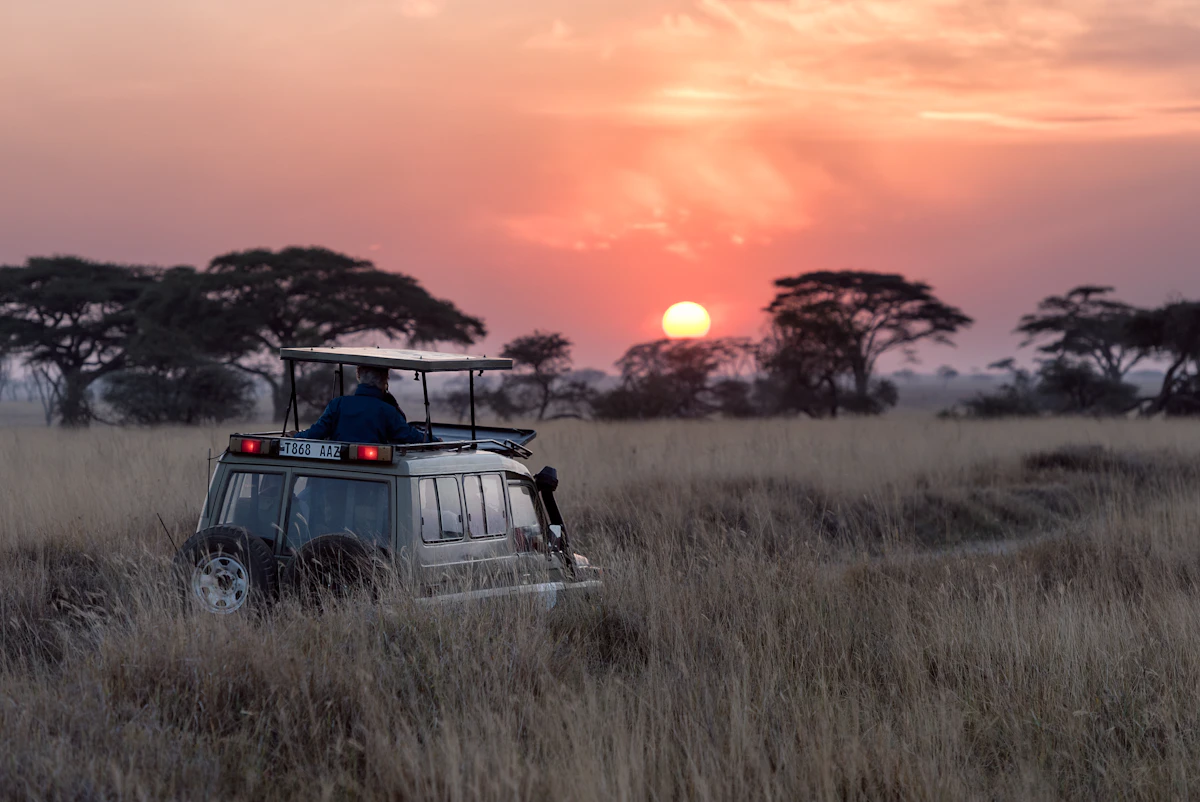
Explore the iconic Serengeti National Park — home to the world's most spectacular wildlife migration, ancient grasslands, and an unmatched Big Five safari experience that has captivated explorers for centuries.
A Brief History of the Serengeti
The Serengeti — derived from the Maasai word Siringet, meaning "endless plains" — spans approximately 30,000 square kilometres across northern Tanzania and into Kenya's Masai Mara. Long before it became a national park, the Serengeti was home to the Maasai people, who coexisted with its extraordinary wildlife for centuries.
In 1929, the British colonial government gazetted the area as a game reserve. It was upgraded to a National Park in 1951, and in 1981, UNESCO designated it a World Heritage Site in recognition of its unparalleled ecological importance. Today, the Serengeti remains one of the oldest and most scientifically studied ecosystems on Earth.
The Great Migration: Nature's Greatest Spectacle
No natural event on Earth rivals the Great Wildebeest Migration. Every year, more than 1.5 million wildebeest, accompanied by 500,000 zebras and 200,000 gazelles, travel in a massive circular route through the Serengeti and Masai Mara ecosystems in search of fresh grass and water.
The journey is gruelling and dangerous. Crocodile-filled rivers, lion ambushes, and sheer exhaustion claim thousands of animals. Yet the cycle continues — a relentless testament to the power of instinct and survival. The dramatic Mara River crossings, typically from July to October, are considered among the most breathtaking wildlife spectacles on the planet.
Witnessing thousands of wildebeest plunge into crocodile-infested waters while predators lurk on the banks is an experience that humbles and electrifies in equal measure.

What Makes the Serengeti Unique
The Serengeti is the only place on Earth where a large-scale migration of land animals has continued uninterrupted for millennia. But beyond the migration, what makes the Serengeti truly extraordinary is its sheer biodiversity and the density of predator-prey interactions visible on a single game drive.
- Big Five in abundance: Lions, leopards, elephants, buffaloes, and rhinoceros all call the Serengeti home. The park harbours one of Africa's largest lion populations — estimated at over 3,000 individuals.
- Cheetahs and wild dogs: The open plains provide perfect hunting grounds for cheetahs — the world's fastest land animal — and the rare African wild dog.
- Over 500 bird species: From the majestic martial eagle to the vibrant lilac-breasted roller, the Serengeti is a birdwatcher's paradise.
- Ancient kopjes: These rocky outcrops scattered across the plains are some of the oldest exposed rocks on Earth, dating back over 550 million years — and favourite resting spots for lions and leopards.

Why You Should Visit the Serengeti
The Serengeti offers something rare in our modern world: a landscape that looks exactly as it did a million years ago. There are no fences, no artificial water sources, no managed feeding — just pure, raw nature operating on its own ancient rhythms.
A safari in the Serengeti is not just a holiday; it is a perspective shift. Sitting in silence as a pride of lions walks past at dawn, or watching a leopard drag its kill into a sausage tree, reconnects you to something primal and profound. Beyond wildlife, the Serengeti offers world-class luxury lodges and tented camps that blend seamlessly into the landscape, providing front-row seats to the drama of the wild while ensuring every comfort.
Best Time to Visit
June – October (Dry Season): The best overall time for wildlife viewing. Animals concentrate around water sources, and the Great Migration river crossings peak between July and September.
January – March: Calving season in the southern Serengeti (Ndutu area), where thousands of wildebeest calves are born — attracting predators in extraordinary numbers and offering some of the most dramatic wildlife interactions of the year.
November – May (Green Season): Lush landscapes, fewer tourists, and incredible birdlife as migratory species arrive. A hidden gem for photographers seeking dramatic skies and intimate wildlife encounters.

Practical Information
The Serengeti is accessible via Kilimanjaro International Airport (JRO) or Julius Nyerere International Airport (DAR), with connecting charter flights to airstrips within the park. The park entrance fee for international visitors is USD 70 per person per day. Accommodation ranges from budget camping to ultra-luxury lodges and mobile tented camps that follow the migration route throughout the year.