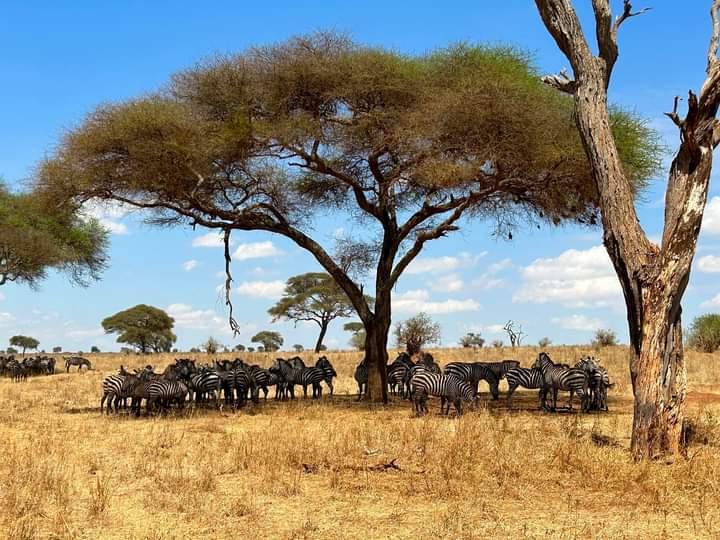
Ngorongoro Crater
Ngorongoro Crater is the world's largest intact and inactive volcanic caldera, located within the Ngorongoro Conservation Area in northern Tanzania. Formed over two million years ago after a massive volcanic eruption and collapse, the crater spans approximately 260 square kilometers (100 square miles) and has walls rising up to 600 meters (2,000 feet), creating a natural enclosure for an extraordinary concentration of wildlife. Often referred to as "Africa's Garden of Eden," the Ngorongoro Crater is home to an incredible variety of animals, including the Big Five—lions, leopards, elephants, buffaloes, and the critically endangered black rhinoceros. Other commonly seen wildlife includes wildebeest, zebras, hyenas, cheetahs, hippos, jackals, and numerous antelope species. The crater's permanent water sources and fertile grasslands support wildlife throughout the year, making it one of the best places in Africa for game viewing. The crater floor features diverse habitats, including open grasslands, swamps, acacia woodlands, freshwater springs, and the alkaline Lake Magadi, which often attracts flocks of flamingos and other waterbirds. More than 500 bird species have been recorded in the surrounding conservation area, making it an excellent destination for birdwatching. Recognized as part of the Ngorongoro Conservation Area UNESCO World Heritage Site, the area is unique because it combines wildlife conservation with the traditional pastoral lifestyle of the Maasai people, who have lived alongside wildlife for generations. Visitors to the Ngorongoro Crater enjoy exceptional game drives, breathtaking panoramic views from the crater rim, photography, birdwatching, and cultural experiences. Its remarkable scenery, rich biodiversity, and year-round wildlife viewing make the Ngorongoro Crater one of Tanzania's most iconic and unforgettable safari destinations.
Key Highlights
Activities & Experiences
Gallery

Plan Your Visit
Travel Tips
Need help planning?
Contact our experts