6 Days Machame Route
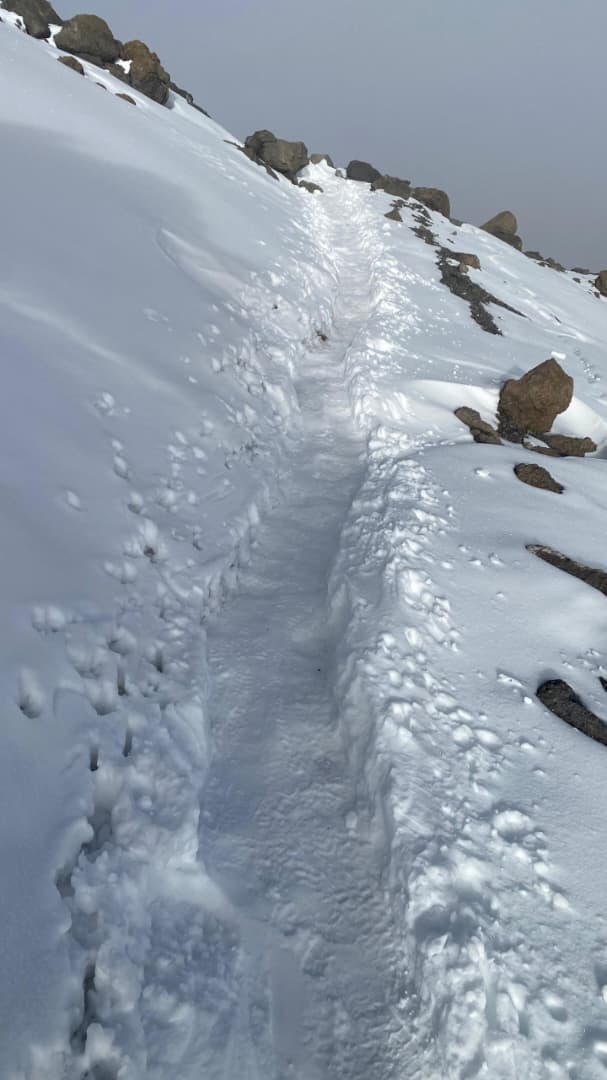
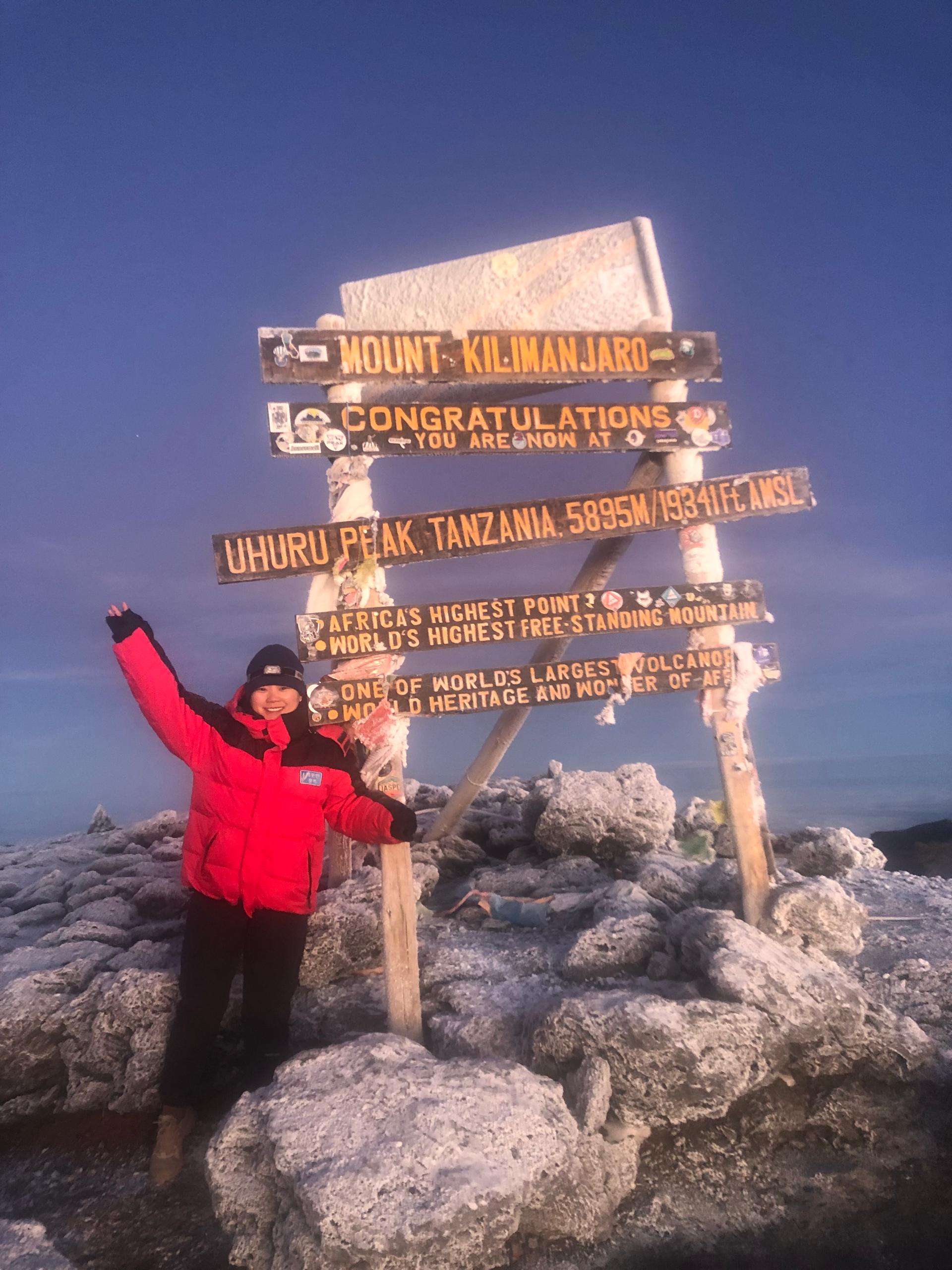
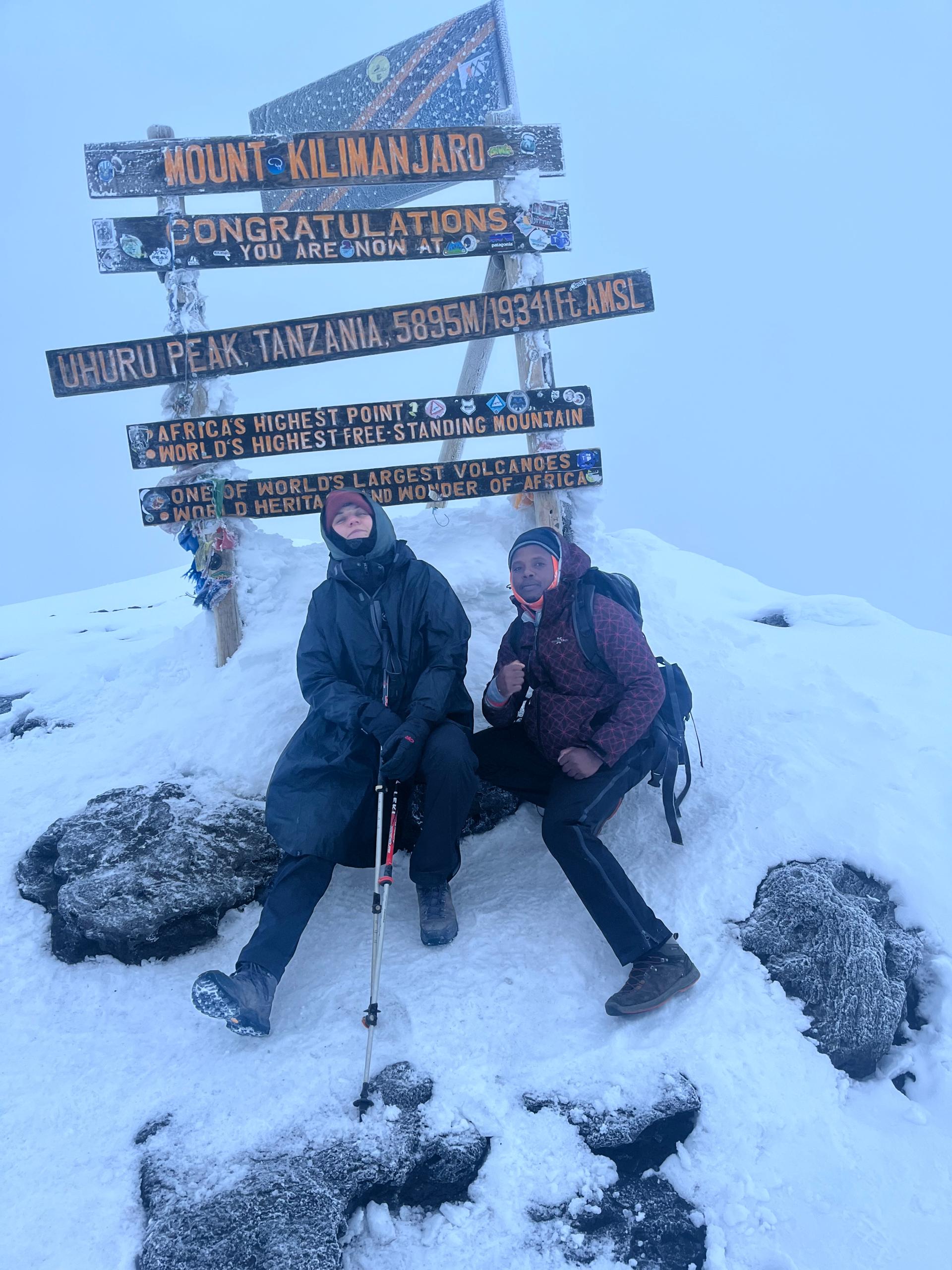
Machame Route 6-Day Kilimanjaro Climb The 6-Day Machame Route is one of the most scenic and popular routes for climbing Mount Kilimanjaro (5,895 m). Often referred to as the "Whiskey Route," it offers breathtaking scenery, diverse landscapes, and a rewarding trekking experience. While more physically demanding than the Marangu Route, Machame is favored for its excellent acclimatization profile and higher summit success rates. The adventure begins at Machame Gate (1,800 m) and ascends through lush rainforest, where trekkers may spot blue monkeys, colobus monkeys, and a variety of bird species. As the journey continues, the landscape transforms into heather and moorland, alpine desert, and finally the glacier-covered summit zone. One of the highlights of the route is the climb to Lava Tower (4,630 m) before descending to Barranco Camp (3,950 m). This "climb high, sleep low" strategy helps your body acclimatize to the altitude, improving your chances of reaching the summit. The climb continues over the famous Barranco Wall, across the alpine valleys to Barafu Camp, where climbers prepare for the midnight summit attempt. Reaching Uhuru Peak (5,895 m) at sunrise is an unforgettable achievement, offering spectacular panoramic views from the Roof of Africa. After celebrating at the summit, you'll descend to Mweka Camp before completing the trek at Mweka Gate.
About This Destination
History of Mount Kilimanjaro Mount Kilimanjaro is Africa's highest mountain, rising 5,895 meters (19,341 feet) above sea level in northeastern Tanzania. As the tallest free-standing mountain in the world, it has long been a symbol of natural beauty, adventure, and cultural significance. Geological History Mount Kilimanjaro was formed approximately 750,000 to 1 million years ago through volcanic activity along the East African Rift System. It consists of three volcanic cones: Shira (the oldest and extinct volcano) Mawenzi (an extinct volcanic peak) Kibo (the youngest cone, which is dormant and home to Uhuru Peak) Although Kibo is considered dormant, it is not extinct, and scientists believe it could potentially erupt again in the distant future. Early Inhabitants The fertile slopes of Kilimanjaro have been home to the Chagga people for centuries. The Chagga developed advanced irrigation systems and established thriving farming communities, growing bananas, coffee, maize, and other crops. The mountain holds deep cultural and spiritual importance in Chagga traditions and folklore. European Discovery While local communities had always known the mountain, Kilimanjaro became known to the Western world in 1848 when German missionary Johannes Rebmann reported seeing a snow-capped mountain near the equator. His account was initially met with skepticism because many Europeans believed snow could not exist in tropical Africa. First Successful Ascent The first recorded successful ascent to the summit of Kilimanjaro took place on October 6, 1889, by German geographer Hans Meyer and Austrian mountaineer Ludwig Purtscheller, accompanied by local guide Yohani Kinyala Lauwo, a Chagga guide whose contribution is widely recognized in Tanzanian mountaineering history. Colonial Era During the colonial period, Kilimanjaro became part of German East Africa. After World War I, control of the territory passed to Britain under a League of Nations mandate, and the mountain became part of Tanganyika. After Independence When Tanganyika gained independence in 1961, the mountain became a powerful national symbol. A torch known as the Uhuru Torch was carried to the summit to celebrate freedom and hope. In 1964, Tanganyika united with Zanzibar to form the United Republic of Tanzania. Kilimanjaro National Park To protect its unique ecosystems, Kilimanjaro National Park was established in 1973 and officially opened in 1977. In 1987, the park was designated a UNESCO World Heritage Site in recognition of its outstanding natural value and biodiversity. Kilimanjaro Today Today, Mount Kilimanjaro is one of the world's most famous trekking destinations, attracting tens of thousands of climbers each year. Its diverse ecosystems—from rainforest and moorland to alpine desert and glaciers—support a wide variety of wildlife and plant species. However, the mountain's glaciers have been shrinking due to climate change and other environmental factors, making conservation efforts increasingly important.
Key Highlights
Activities & Experiences
Gallery
Plan Your Visit
Travel Tips
Need help planning?
Contact our expertsSimilar Destinations
Don't Miss This Incredible Experience
Reserve your spot and create memories that will last a lifetime. Our experts are ready to craft your perfect journey.